 Luke 17:11-19 and 2 Kings 5:1-15
For resources on Naaman, click here. For Harvest stuff, click here.
Regular readers may remember that I’ve recently started rev training. (Here’s a gratuitous pic of my beautiful college in Cuddesdon, nr Oxford.) I’m just back from the induction weekend and now I’m planning the next college Eucharist. In at the deep end, much?
The texts we’re using are 2 Kings 5 (Naaman) and Luke 17 (ten lepers), with a theme of ‘outsiders’. I suggested we use Eucharistic Prayer D* which has the lovely, ‘he touched untouchables with love’. Great line, that.
*For readers who are not CofE, our prayer book (Common Worship) contains a vast selection of seasonal and additional bits that you can plug into a standard framework. This is one of the many options for Communion.
Anyway, that got me thinking: what/who do we consider untouchable?
Pretty obviously, in Jesus’ culture, people with leprosy were untouchable. And it didn’t have to be actual leprosy. Pretty much any skin disease would do. Acne? If you were a keenly observant Jew, you could also lump loooooads of other people in the ‘unclean’ bin: Samaritans; Romans, naturally, and anyone siding with them; foreigners in general; disabled people; women who’d given birth or were menstruating; anyone dealing with sick or dead people or animals; fishermen (‘cos in sorting the catch they’d be handling unclean fish); etc, etc.
So that’s Matthew out. And Luke. And Peter, James, John, Andrew, Jesus …
And being unclean was a big deal. You weren’t allowed in the temple. You couldn’t worship God ‘cos you weren’t good enough. Ouch!
But what about today? We don’t have ‘untouchables’ today, do we?
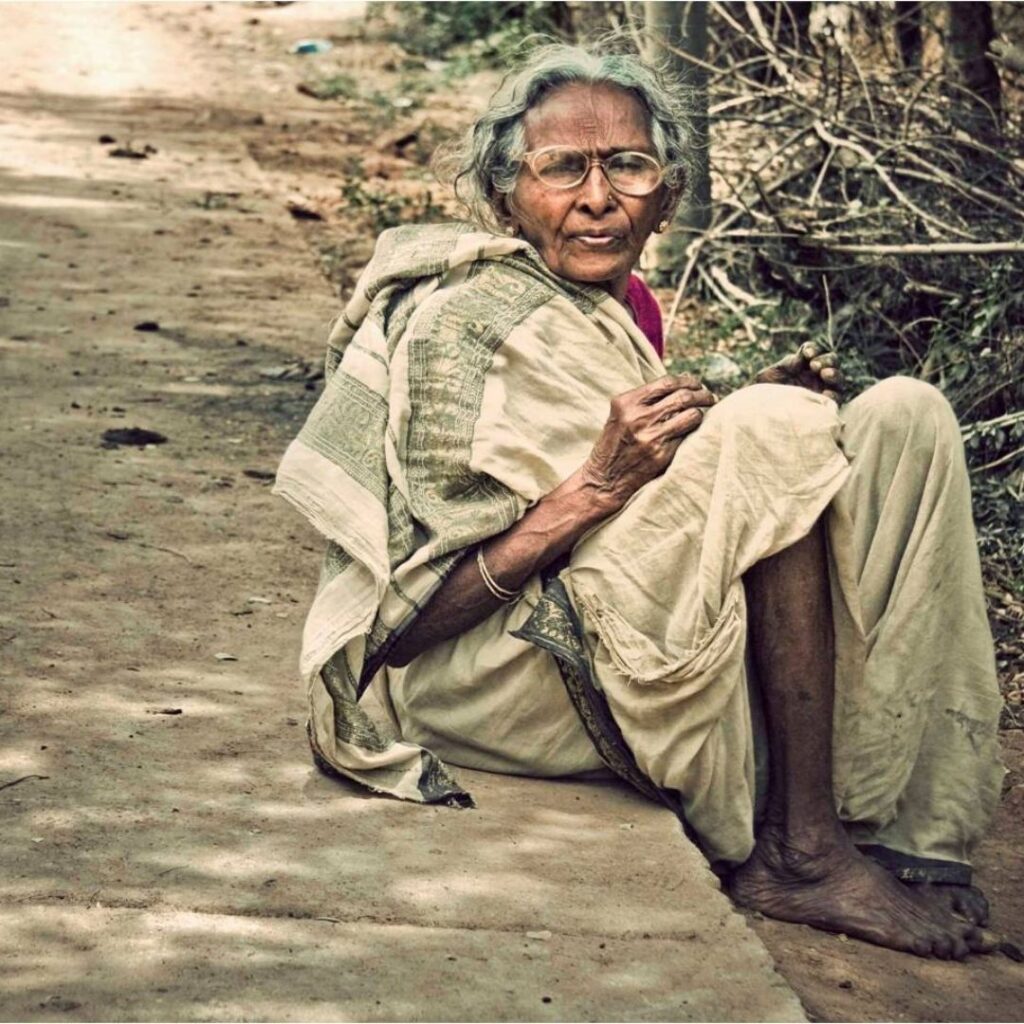 India is home to 200 million Dalits. They were previously called ‘Untouchables’ and excluded from the (now outlawed) caste system, but they are still marginalised, firmly kept on the lowest rungs of society. Here’s a BBC article. And here’s a place you can buy Dalit-produced goods to support local children’s work
And closer to home? Some of us might consider homeless people untouchable. It’s easy to walk past, eyes averted, but these folks could be any of us more easily than we like to think. A 2024 study from the Money and Pensions Service reported that around 1 in 4 UK adults (that’s 11.5M people) have savings under £100. If you’re not the 1, you probably know someone who is. £100 doesn’t last long and you don’t need much bad luck to find yourself out on the streets.
And somehow that makes you worthless? Not even worth my glance? How must it feel to be ignored by hundreds of people everyday? Invisible, untouchable, unwanted, unloved.
And it’s not just homelessness. There are plenty of things that might make us feel unloveable. We all have them, and we’re all very good at hiding them. Take a moment now and think – what might make me unclean?
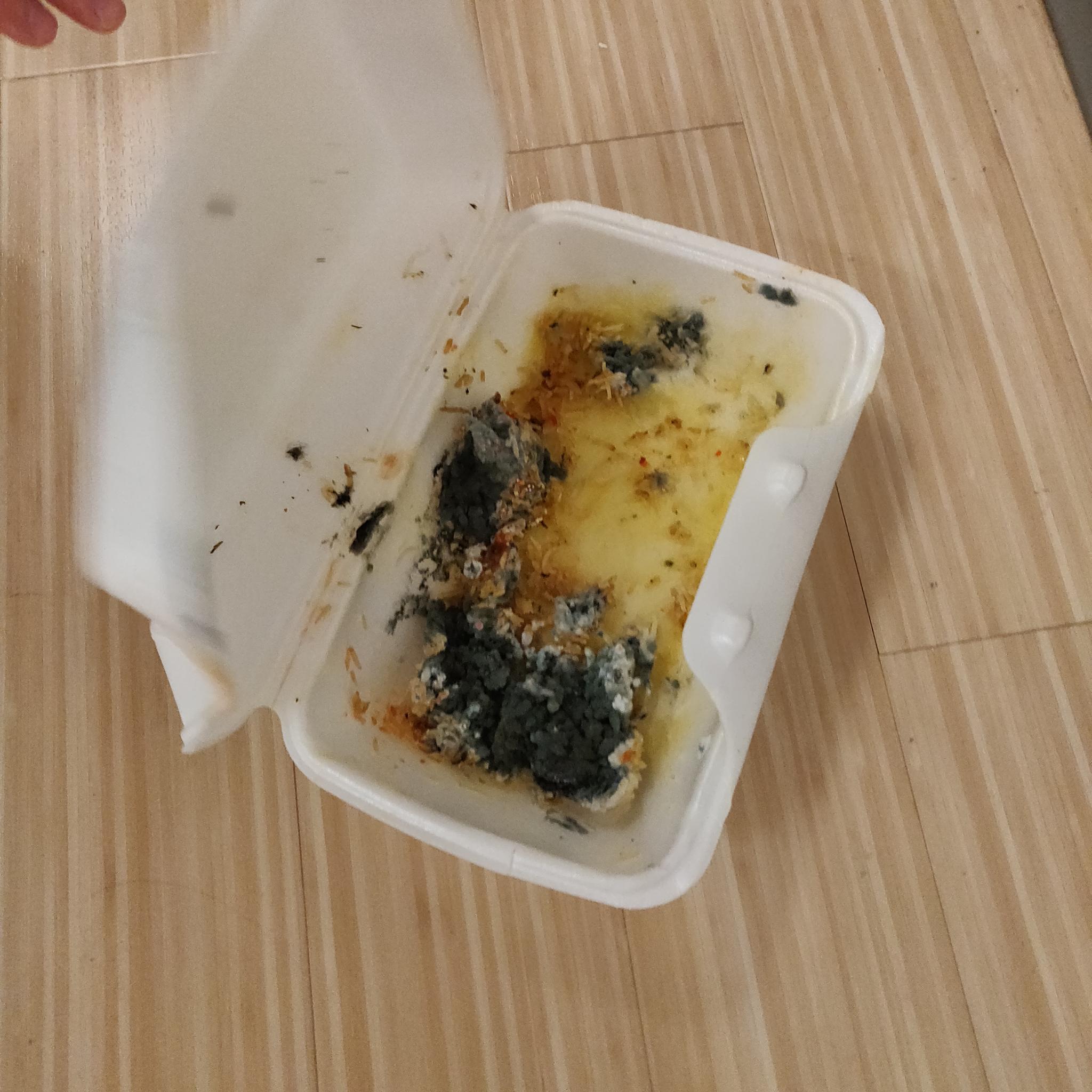 I don’t mean outside things like eczema or having a prawn sandwich for lunch. Jesus was very clear that uncleanness comes from the inside. Those little festering corners that we’d like to pretend aren’t there. The things that we feel make us unloveable, unfit to come before God. They’re like that UFO – Unidentified Frozen Object – you find lurking at the back of the fridge. Probably been there since 2020. Don’t really want to look inside. Gonna be gross.
I find it interesting that when Jesus did his famous, ‘let the one who is without sin cast the first stone,’ all the accusers went away, starting with the oldest. I guess they’d had more time to rack up things that made them unclean.
So now you’ve had a moment to think, grab a felt-tip pen or a highlighter and write that unclean thing on your hand. It might be difficult to see it in writing, but remember that everyone else has things written there too. We’re all lepers and we live in a community of lepers. Not all realise, but all are.
Now here’s the funny thing about uncleanness. It’s catching. In Jewish law, if you touch an unclean person you become unclean yourself.
‘Cept for Jesus.
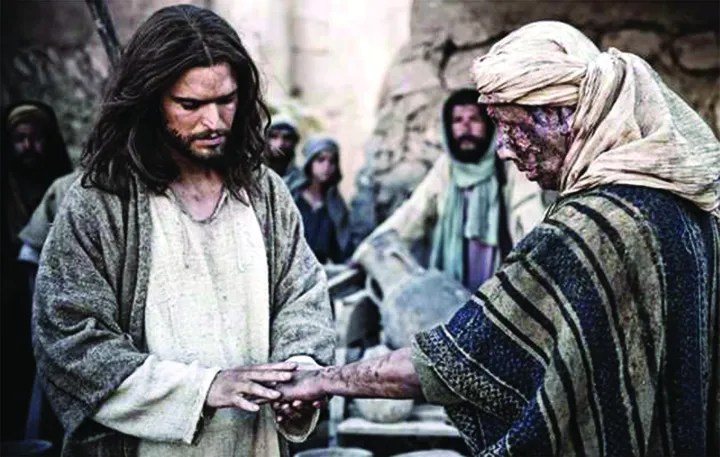 With Jesus it works the other way around. When Jesus ‘touches the untouchables with love’, he spreads his cleanness onto them. Onto you. So go wash your hands. Wash away the thing that makes you unworthy, that makes you not good enough to come to God, not good enough to be loved.
And be at peace, ‘cos God knew all the time and he loved you anyway.
 I’m a free-lance writer and teacher, and I provide resources at The Reflectionary for free because I believe this stuff is important.
If you would like to support this ministry, please consider donating via Paypal or via my Buy Me a Coffee account.
Or you could buy one of my books (see side panel or look up Fay Rowland an Amazon) – that way you help me and get a book as well! And please leave a review. They’re soooo helpful. ty xx
 Or send Colin Firth round with diamonds. Actually, forget the diamonds; send Colin Firth.
But if you cannot afford that, don’t worry at all. Help yourself for free and be blessed.
 The Reflectionary
Good luck with the studies. Peter.
LikeLike
Many thanks, Pete 🙂
LikeLike