We’ve all done it. We’ve all shouted the answer to a quiz question at the telly. “California!” I remember yelling. “Everyone knows it’s California! Why are you wasting a lifeline?”
It was Alaska. Didn’t I look the idiot?
How about this one:
“3 May. Bistritz. Left Munich at 8:35 pm.” are the opening words to which novel?
A) Tinker, Tailor, Soldier, Spy
B) Dracula
C) Heart of Darkness
D) Frankenstein
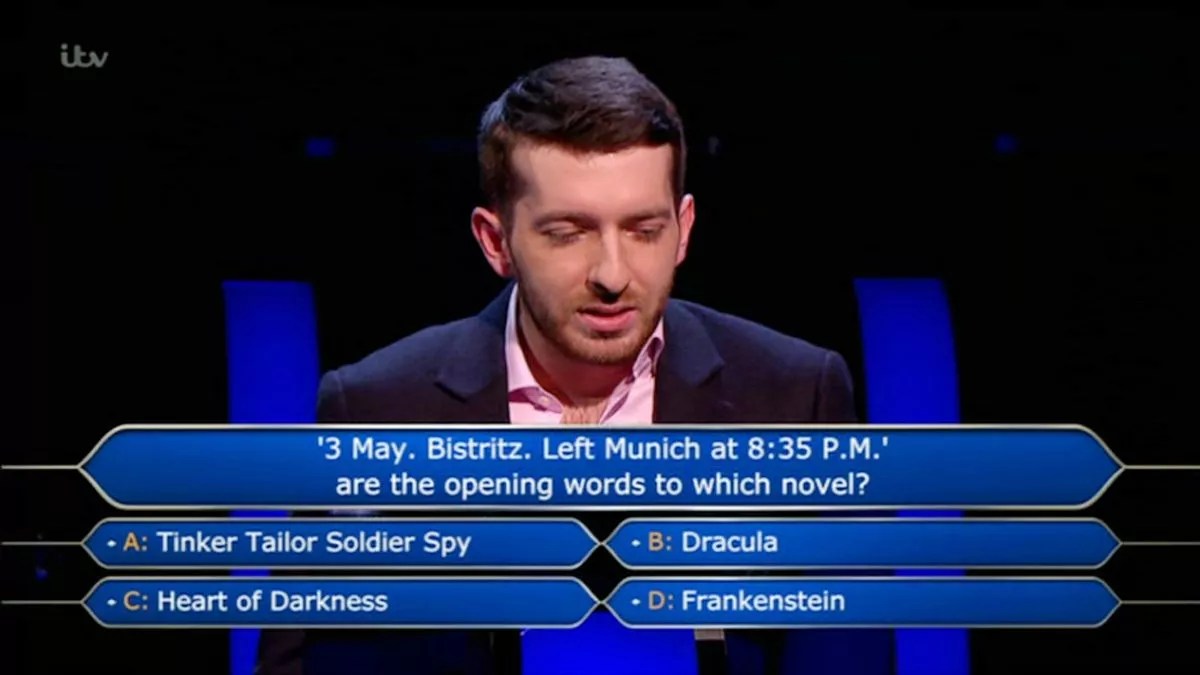
It’s the £250,000 question. The contestant doesn’t know.
50-50. Only A and B left.
Still not sure.
Ask the Audience. 81% say A.
Sounds reasonable, right? Sounds spy-ish?
And 81% is pretty secure. That’s more than four out of five people agreeing. Any politician would sell their soul for that kind of consensus.
The answer is clear. He goes for it. A. Final answer.
It was B. £93,000 down the drain.
81% of the audience thought they were right, and 81% of the audience were wrong.
Lesson #1. Being in the majority does not make me right.
When I yelled ‘California’ at the telly I was utterly convinced I knew the answer and I was amazed it was not obvious to everyone.
Lesson #2. Being utterly convinced that I am right does not make me right.
We can all agree that slavery is a bad thing, right? Yet Christians have argued from the Bible, that God not only condones, but commends owning slaves. (See linked articles below.) Based on passages like Lev 25:44 and Eph. 6:5–11, Richard Fuller, a Southern Baptist minister, reasoned that if Jesus or Paul had wanted to forbid slavery, they would have done so. He said:
Slavery was everywhere a part of the social organization of the earth; and slaves and their masters were members together of the churches; and minute instructions are given to each as to their duties, without even an insinuation that it was the duty of masters to emancipate. Now I ask, could this possibly be so, if slavery were “a heinous sin”? No!
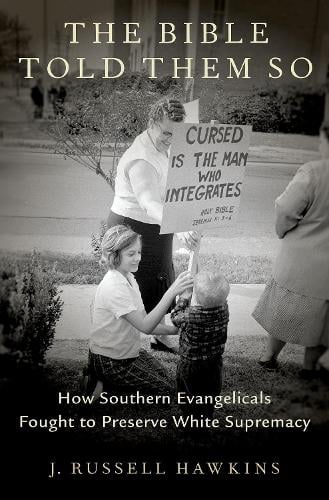 A civil war and 150 years later, that opinion still rumbles on in white supremacy and the ‘Christian’ Nationalist movement in the US. (Now that is taking the Lord’s name in vain!)
Lesson #3. Basing my opinion on what (I believe) the Bible says does not make me right.
And now to Acts 9 and Paul’s murderous threats.
#1. Paul was in the majority. These weird Jesus-followers were the dandelions in his Pharisaic lawn. Not many, but flippin’ annoying and best got rid of before they spread.
#2. Paul was utterly convinced he was doing right by uprooting the weeds. This was God’s work.
#3. Paul had the Bible on his side. “You shall worship the Lord your God, and him only shall you serve.” Even Jesus quoted that! (Luke 4:8)
The answer is clear. Stamp out the heretics. That’s how to serve God. Final answer.
Except it was wrong.
 £93,000 down the drain.
Go directly to gaol. Do not pass Go. Do not collect £200.
So what can we do?
We don’t want a cut-and-paste Bible, where we pick the bits we like, but also we don’t read the slavery-approving passages (for example) as clear, direct instruction for all times and places. Instead we see them as examples of the way things were in the past, and how God dealt with them, but not necessarily how God wants things. They are descriptive of how it was; not prescriptive of how it should be. Ditto polygamy. You know that’s commanded in scripture, right? Ditto divorce. Not ideal, but a working solution to a non-ideal situation (aka, life).
So the next time someone says, “Scripture clearly teaches …”, particularly on the role of women (as I was forced to sit through yesterday), or being gay, or remarriage after divorce, or same-sex marriage, or whether Gentile Christians have to obey Jewish food laws – whichever side is saying it and whether you agree or not – remember this: The Bible is just as clear about slavery, yet we have learned to look at God’s overarching purposes (eg, Love your neighbour as yourself) and to interpret the harder passages in the light of the clearer (eg, Love your neighbour as yourself) and have finally, after 2000 years, worked out that slavery is not, in fact, part of God’s perfect plan for his children. Shame it took so long.
When Christians disagree (which in the CofE is pretty much everyone right now), let us have the intellectual humility to recognise that:

#1. Might is not right. Fashion is not the same as fact. Neither is tradition.
#2. Sincerity is good, but not infallible. It is possible to be sincerely wrong.
#3. My interpretation of the Bible is exactly that – my interpretation – and I do not have a monopoly on truth.
If I cannot acknowledge the possibility that I might be wrong, I am in a dangerous place. I am skating on thin ice. And for that, the answer is definitely Alaska, not California.
Below are some other folk’s posts and articles on how Christians have interpreted the Bible’s attitude to owning slaves.
https://biblemesh.com/blog/how-and-why-did-some-christians-defend-slavery
https://michaelpahl.com/2017/01/27/the-bible-is-clear-god-endorses-slavery/
https://michiganadvance.com/2023/09/15/white-christian-nationalism-threatens-u-s-democracy/
 The Reflectionary