 Isa 35, Jas 2 and Ps 146
Unless your name is Inigo Montoya (“You killed my father. Prepare to die.”), vengeance is not a popular word in our culture. It brings forth images of blood feuds, savagery and gang-land violence. So when in our Isaiah 35 reading or Deuteronomy 32:35 (It is mine to avenge; I will repay.), we see God taking vengeance, we might wince a little. Really? God is vengeful? That doesn’t sound like the forgiving God that Jesus talked about.
 This kind of confusion was the root of the dualist heresy of the Cathars. They lived in 12th-century France and believed there were two gods: the nasty, vengeful god of the Old Testament and the nice, forgiving god of the New. The Order of Preachers (Dominicans) was created to counter this belief, and they must have done OK because I don’t think there are any Cathars still around, but there are plenty of Dominionicans. (I’m one of them.)
So what can we do to get our heads round this uncomfortable description of God? I have two good suggestions and one bad one.
The bad one first: Sweep it under the carpet and try to forget about it. Then live a half-hearted faith always worried that the nice God you talk about on Sundays will turn out to be horrible, or even not there at all. Don’t do that, folks. As I’ve said many times, being a Christian does not necessitate having your brain removed. We are are not required to believe six impossible things before breakfast.
OK, now on to the good ones: 1) visit the word farm, 2) beware reading parchment by electric light.
 Visit the word farm
This means thinking about the semantic range. (The whatsity what?) Imagine being ‘Home, home on the range’ (sing it with me, folks!) with a farmhouse in the centre of a ranch, only it’s words, not cows. The centre is your root word and the range is covered with the varied meanings and nuances associated with that combination of letters. Here’s a stab at the semantic range of ‘plate’, and I bet you could add more.
In any particular usage, only one part of the semantic range applies. (Puns, such as ‘I used to be a baker, but I didn’t make enough dough‘, work by combining two parts.) Using different areas of the semantic field is the cause of much miscommunication. She said she’d be home early, but he’s cross because she got in at twenty past eight. He was thinking ‘early enough that we can go out catch that film at 7:30’. She was thinking ‘earlier than usual ‘cos I’m getting a lift instead of two busses, then a nice night in front of the telly’. Depends what you mean by early.
 So let’s think about the semantic range of vengeance. Try making your own diagram: write ‘vengeance’ in the middle and around write all the words and concepts associated with it, then further out, words and concepts associated with those too. It’s quite enlightening. Now think about what parts of that sematic range fit with the rest of the Bible, because the most important tool for discerning meaning is context (see diagram about “Put your hands in the air.”) The second most important tool is also context. And the third.
By this time hopefully we’ve come up with ideas like fairness, justice, rightness, fighting evil, setting things right, standing up for the oppressed, rather than the blood-lust, hatred and mindless violence of some Hollywood storylines. Perhaps for modern readers, words like recompense, restitution, justice are better. We must always be aware that the meaning we attach to a word may not be the meaning our hearers receive.
Beware reading parchment by electric light.
This means being aware of our cultural assumptions and trying (it’s impossible, but as much as we can) to subtract them from our reading. The root meaning of any text is what the original writer intended to convey to the original audience. So that obscure text in Revelation that you think is about Donald Trump? It isn’t.
Not only do words have different semantic fields in different languages and cultures, they also undergo semantic drift, which means that how they used a word back then may not be how we use that word now. Don’t believe me? Try talking to teens. Even if the central meaning is the same, the nuances will differ. And it’s even worse when you add culture and translation into the chasm.
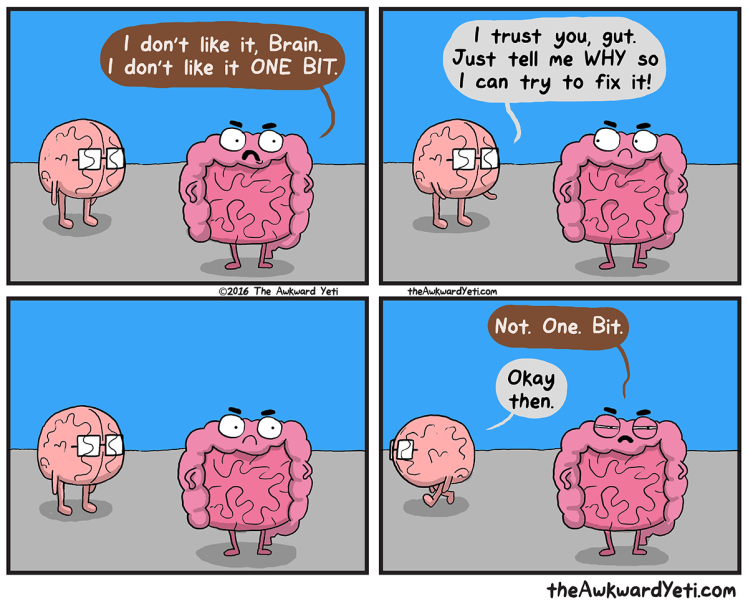
Classic examples are ‘head’ in Paul’s letters and ‘heart’ in “You shall love the Lord your God … with all your heart”. In our culture, head signifies decision-maker or boss (eg, head chef, headteacher) and heart is a metaphor for emotion. Not so in the Bible. Emotion was symbolised by guts and decision-making by the heart, while head denoted source or origin. (Handy hint for several contentious NT texts: head NEVER means boss. Really.)
So when we read of God being vengeful, let’s try to lay aside our squeamish 21st century sensibilities and see the situation through the eyes of those who first wrote and read it. They lived in a culture with no welfare state, no European Courts of Human Rights, where a neighbouring tribe could, and would, invade your land, steal your crops, burn your house and take your family as slaves. The people who write the Old Testament were pretty keen on having a God who would set injustice to rights, that’s why there are so many psalms asking God to crush their enemies. It was a very real and immediate problem.
So is God a god of vengeance? Yes, it’s right there in the Bible. But it’s a vengeance we want: justice, setting wrongs right, destroying evil.
By the way, if you don’t get the Inigo Montoya reference, first: Inconceivable! What sort of cave have you been living in? Second, click the image for a clip from The Princess Bride. Third, watch the whole thing immediately and join the civilised human race.
Liturgy Resources for Proper 18
Psalm 146, James 2:1-17
Confession and Absolution
Lord our God, king of the universe,
you gave us your royal law: ‘You shall love your neighbour as yourself,’
but we confess that we have failed.
We have not shown mercy as you have shown us mercy.
We have not judged righty but have shown favouritism.
We have not demonstrated your love but have dismissed the needy with ‘good wishes’.
We are truly sorry. Have mercy, gracious Lord,
and treat us more kindly than we have treated others.
Help us to model our behaviour on your son, Jesus Christ,
through whom ask forgiveness now.
Amen.
May God, who forgives all who truly repent,
grant us to be poor in the world yet rich in faith
and heirs of the kingdom promised to those who love him.
Amen.
Blessing and Dismissal
May your hope be in the Lord your God,
who keeps his promise forever,
God who made heaven and earth,
who keeps his promise forever,
the sea, and all that is in them,
who keeps his promise forever,
who gives justice to the oppressed,
who keeps his promise forever,
and food to the hungry,
who keeps his promise forever,
who sets the prisoners free,
who keeps his promise forever,
and lifts up those who are weighed down,
who keeps his promise forever.
May your hope be always in this God,
and the blessing …
Go now,
to praise the Lord as long as you live.
Amen. Praise the Lord, O my soul!
 The Reflectionary
✨My Ex is back after sad breakup,………..
Matilda, USA
LikeLike