I led them with cords of human kindness, with bands of love. I was to them like those who lift infants to their cheeks. I bent down to them and fed them (Hosea 11:4)
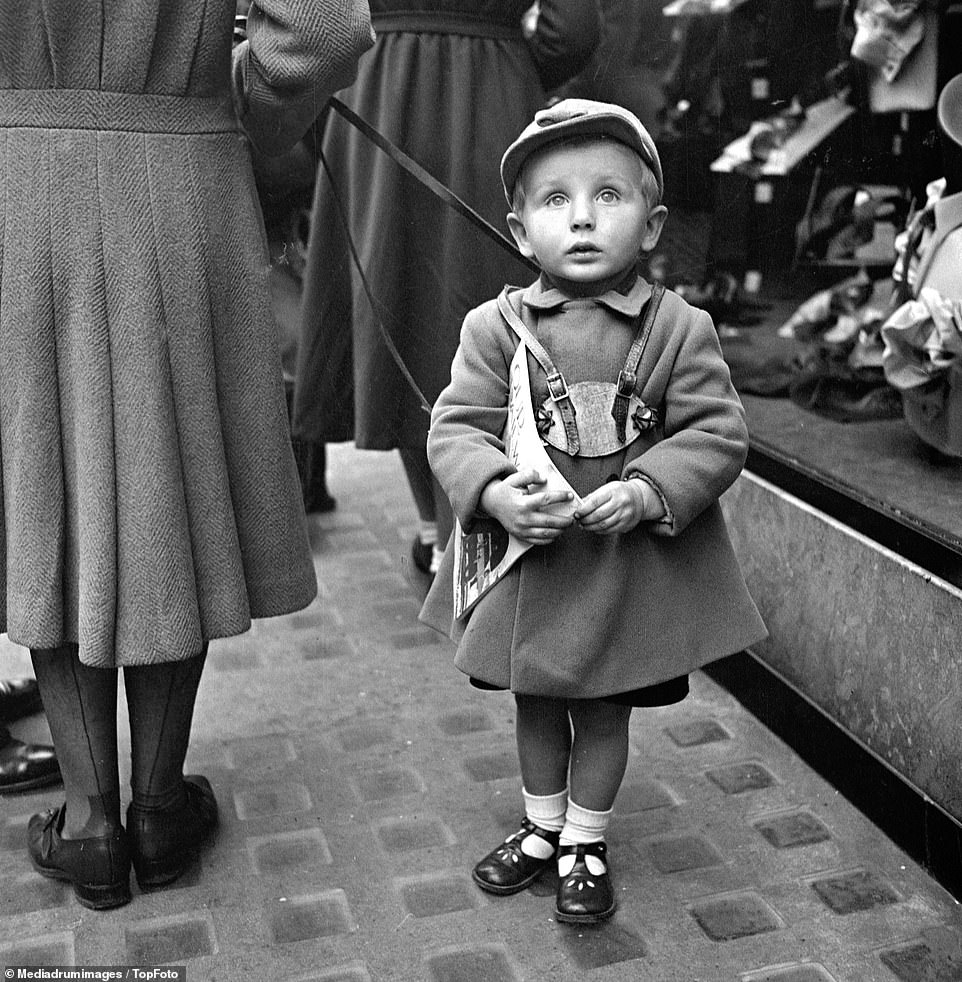
When I was a tot, I had a set of baby reins like these. In case you’re not familiar, baby reins are the kid version of a dog leash – straps that buckle under the arms and over the shoulders, with a lead for mum or dad to hold.
No, that’s not a photo of me. Don’t be so rude. a) I’m not a boy, b) I’m not that old, c) do I strike you a person in black and white?
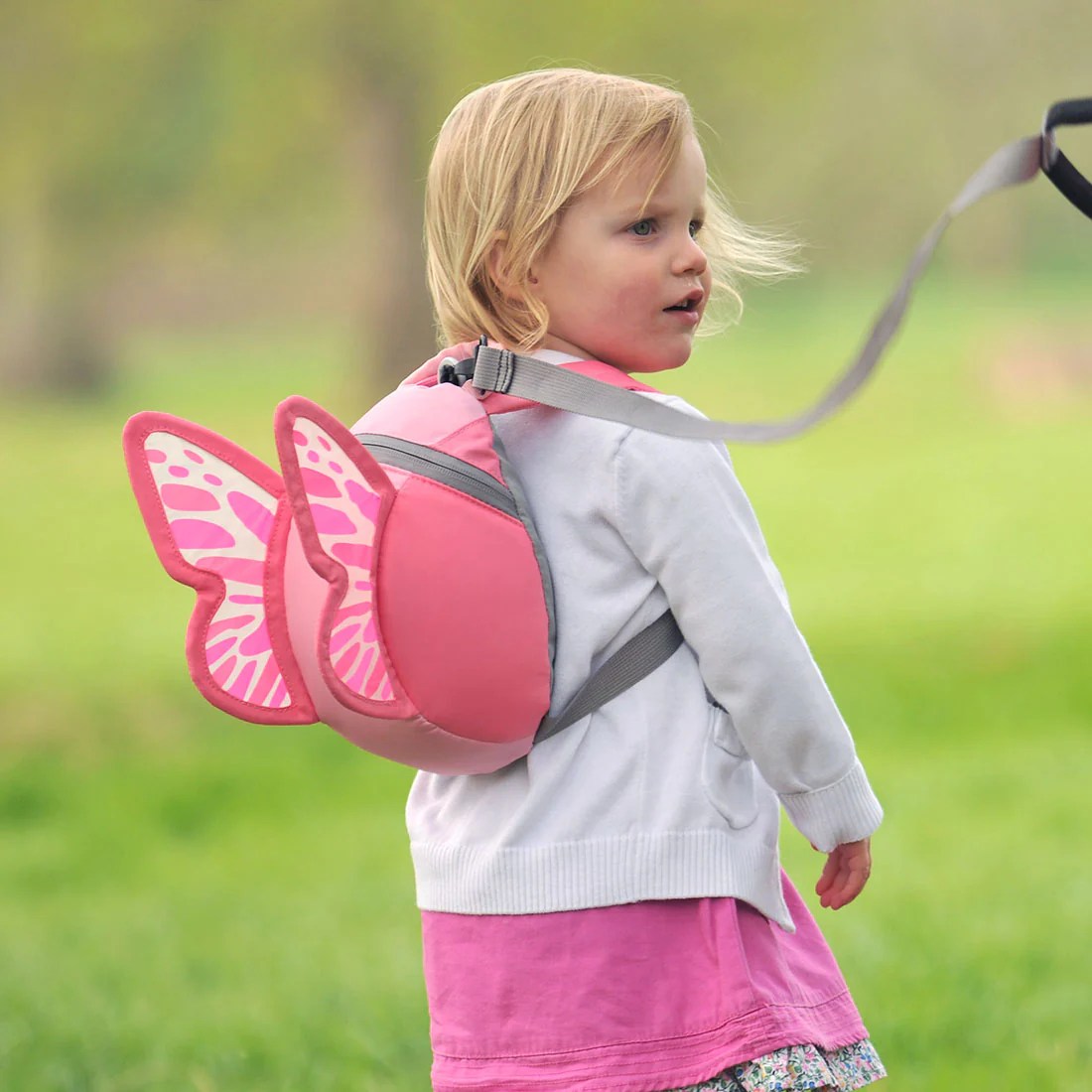 Nowadays baby reins are much cooler. Check out this butterfly backpack! I’ve heard folks decry baby reins. “You shouldn’t put a leash on a child like an animal,” they say. “You’ve never taken care of toddler, have you?” I reply.
Baby reins are great. They allow a tot to have freedom to explore and investigate (everything is new when you’re two), yet prevent them from chasing a butterfly out into the road or bumping into lampposts. Best of all, if, sorry, when the kid falls over, Pa can catch him before he hits the ground and haul him back to his feet.
Hmmn, does that last bit sound familiar? Like, ooh I dunno, Psalm 107, perhaps? Like when God stops us falling over and hauls us back to our feet. Again and again and again.
So what’s that got to do with our passage?
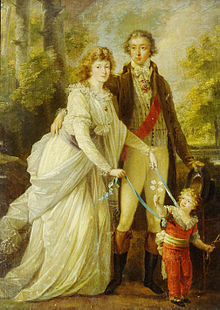 Baby reins aren’t new. Back in the 1500s and 1600s they were called ‘leading strings’, strips of cloth dangling from the shoulders of a child’s garment, and there will have been something similar in Bible times. After all, kids have been falling over and wandering off ever since our ancestors had to stop Junior running after a sabre-toothed tiger kitten or tripping over a sleeping mammoth.
And we know they had baby reins in Bible times cos that’s what Hosea is talking about!
I led them with cords of human kindness, with bands of love.
Now, some versions have wildly different readings here. I’m using NIV / NRSV, but others have
I drew them with cords of a man, with bands of love: and I was to them as they that take off the yoke on their jaws, and I laid meat unto them. (KJV)
or
I drew them with leather cords, with straps of hide; I lifted the yoke from their neck and gently fed them. (NET)
What the heck? Why have we suddenly switched from talking about little kids to talking about farm animals? I would argue that we haven’t, but that some translators (let’s face it, probably blokes who’ve never taught a child to walk) got stuck on the cattle imagery ‘cos they didn’t know about baby reins.
Let’s look at the variants.
human kindness / a man / leather
The Hebrew is אָדָם (a.dam) man. Yes, as in Adam. The word means either an adult male or a person or (kinda) skin, as in leather. The ‘kindness’ bit in NIV and NRSV comes from ideas of ‘humane’ and by parallel with ‘bonds of love’.
bands of love / bands of love / straps of hide
I gotta say, I struggle to find animal hide in אַהֲבָה (a.ha.vah) love. I think NET has got itself in a pickle with cattle imagery.
lift infants to their cheeks / take off the yoke on their jaws / lifted the yoke from their neck
Hebrew was originally written with only consonants; the vowels were added later with ‘pointing’. Yoke and infant have the same consonants, so if you’re hung up on seeing cattle, you’ll translate it yoke. But Hosea was using the picture of God as a loving parent to a wayward tot, so infant makes more sense here.
As for cheek or jaw, they’re the same part of the body and the Hebrew word לְחִי (le.chi) is related to ‘soft’, so cheek fits better. Also, why the heck would you be lifting the yoke from an animal’s jaw? Yokes go on the shoulder, not the jaw. I’m guessing that’s why NET went for neck (which is a totally different word). Again, too fixated on the cattle image, guys.
I bent down to them and fed them / and I laid meat unto them / gently fed them
This time it’s the KJV that runs amok. Though to be fair, ‘meat’ meant any kind of food back then. It would be kinda gross to feed dead animal to a herbivore. Yuk!
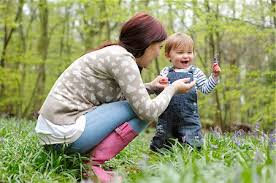 No, a better picture is of a parent getting down to kid-level to give them a slice of apple, then swinging them up and holding them to their cheek.
Remember – context is king! v1, Israel is a beloved child. v2, the child keeps running off. v3, God taught the child to walk and carried them in his arms. v4, cattle at the feeding trough or God tenderly guiding, feeding and cuddling his son? Pretty clear, I’d say.
OK, so that’s the weird readings sorted out. What is this passage about then, these baby reins? It’s God’s laws. These are God’s baby reins. And they’re good.
Just as some folks think baby reins are restrictive, but as soon as they have an adventurous 2-year-old they realise how important it is to keep their kid safe and happy, so with God’s laws. They’re not there to make us have miserable lives, but to help us live! A child in baby reins is not captive, but free – free to look at the interesting bug on the leaf, free to practice walking, but safe from danger and if they fall, they will be caught.
For us as Christians, sure we are not obliged to follow the civic and ceremonial laws we read in the Old Testament (I am currently wearing a poly-cotton top and, as far as I know, there is no parapet around my roof) but that does not negate the duty to live out the calling we have received. Jesus summarised the whole of the Law and the Prophets in just two commandments – though arguably harder to obey than remembering to sew pomegranates (=pompoms) around the hem of one’s garment.
Love the Lord your God with all your heart, soul, mind and strength, and love your neighbour as yourself.
Neither a cow’s bridle nor a yoke for ploughing, but baby reins to help us walk, and learn, and live!
 The Reflectionary